Behind every great pitching performance and every championship-caliber defense is a catcher who does more than just block dirt balls and frame strikes. While physical tools are essential, the “intangibles” are what truly separate an average backstop from a field general. For players and coaches in the Arkansas baseball community, understanding these nuanced skills is key to elevating team performance.
The Vocal Leader: Command of the Diamond
A catcher is the only player on the field who can see the entire game unfolding in front of them. This unique vantage point requires them to be the vocal leader of the team. It is not enough to just call the pitches; a top-tier catcher is constantly communicating, telling other players what is about to happen before the ball is even put in play. Whether it is reminding the middle infielders of the double-play depth or calling out the number of outs, their voice provides a steadying influence that keeps the defense synchronized and prepared for any situation.
Driving the Rhythm and Pace
The tempo of a baseball game is often dictated by the catcher. By getting the ball back to the pitcher quickly after every pitch, a catcher helps maintain a defensive rhythm that keeps fielders on their toes and opposing hitters off-balance. Pushing the pace of play prevents the game from stagnating, ensuring that the pitcher stays in a “groove” and the defense remains mentally engaged. A catcher who understands rhythm is a vital asset in maintaining momentum throughout nine innings.
The Emotional Anchor for the Pitcher
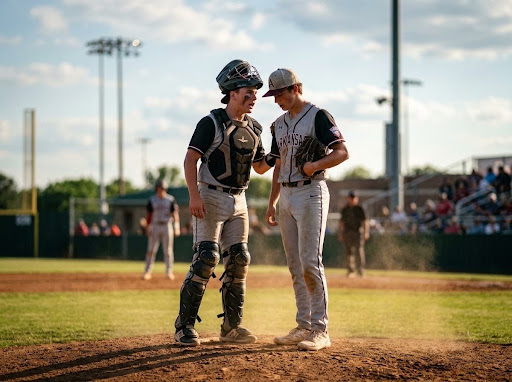
Perhaps the most critical intangible is serving as the emotional pillow—or anchor—for the pitcher. The relationship between a battery is sacred; a catcher must know when to encourage a struggling pitcher and when to challenge him to dig deeper. This support doesn’t end at the final out of an inning; a great catcher is often seen walking off the field side-by-side with their pitcher, discussing the previous sequence and preparing for the next. This psychological support builds the trust necessary for a pitcher to execute with confidence.
Building Rapport with the Umpire
Finally, a catcher’s ability to get along with the umpire can subtly influence the course of a game. This relationship is built on more than just a polite handshake before and after the first pitch. It involve professional communication throughout the game, respecting the strike zone, and providing the umpire with a clean look at every pitch. By establishing mutual respect, a catcher creates a more professional environment that benefits the entire team.
Mastering these intangibles transforms a catcher into a true leader, making them the heartbeat of the team and a cornerstone of success on the Arkansas baseball circuit and beyond.
Leave a Reply